Reframe
Instead of collecting every detail upfront, I redesigned Reframe's onboarding to gather only the essential information through conversation, reducing completion time from 15 minutes to 4 minutes while preserving personalization.
Roles
UX design, writing, and research
Tools
Figma
Collaborators
Me, Myself, and I
Timeline
3 days
Problem
Reframe is a neuroscience-based, alcohol reduction program. The current onboarding is presented in 7 sections, with a total of 53 screens. While comprehensive, it takes around 15 to 20 minutes for users to complete the questionnaire before having access to the paywall information.

Primary Research
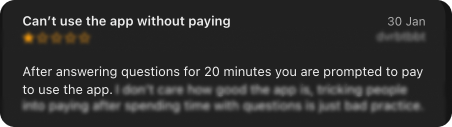
With only three days to complete the project, I used App Store and Google Play reviews as a lightweight research method to surface user pain points. I focused on one recurring insight that had the greatest impact on the onboarding experience: users felt they invested time before understanding what they were committing to.
Problem
Reframe is a neuroscience-based, alcohol reduction program. The current onboarding is presented in 7 sections, with a total of 53 screens. While comprehensive, it takes around 15 to 20 minutes for users to complete the questionnaire before having access to the paywall information.
Solution
Instead of redesigning individual screens, I redesigned the onboarding flow around three principles:
01. Motivate first
The onboarding opens by inviting users to picture themselves 180 days into the future, reinforcing the possibility of change before asking them to invest time in the experience.



02. Converse, Not Interrogate
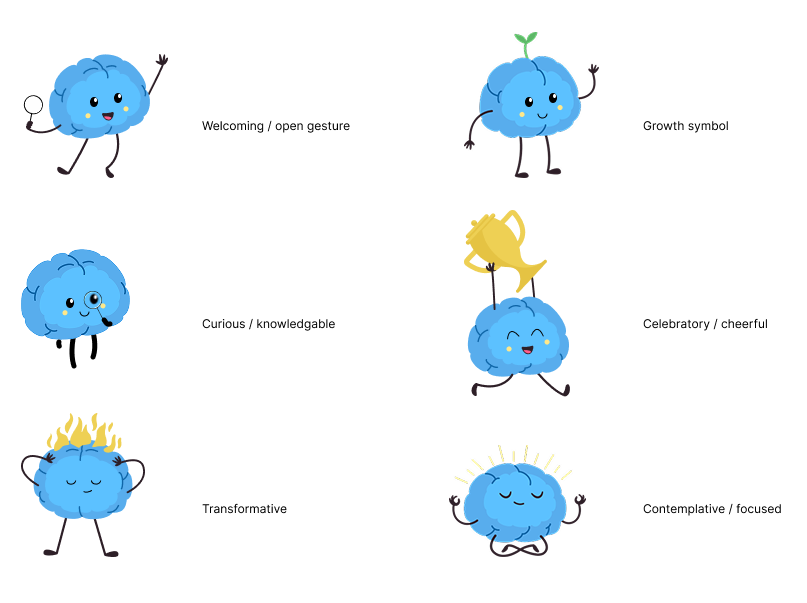
The original onboarding feels transactional. I introduced Brainy as a conversational guide.


Brainy acknowledges user responses, asks follow-up questions, and provides encouragement throughout the experience.


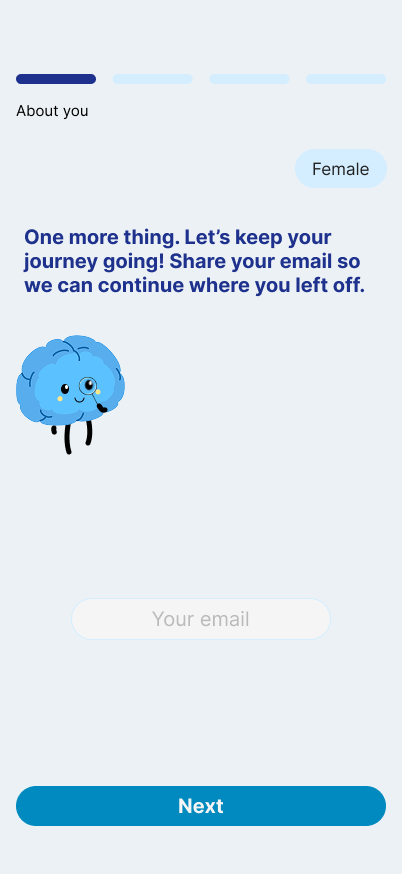
Rather than replacing Reframe's scientific credibility, Brainy softens the interaction and makes the experience feel more like talking to a coach than completing a form.
03. Personalize Progressively
Personalization does not have to happen before users experience value. Questions about mindset, mental health, and community support become contextual check-ins later in the experience, when users are more engaged and better understand why the information is valuable.
Initial Prototype
Check out the complete screen recording below!
Check out the complete screen recording below!

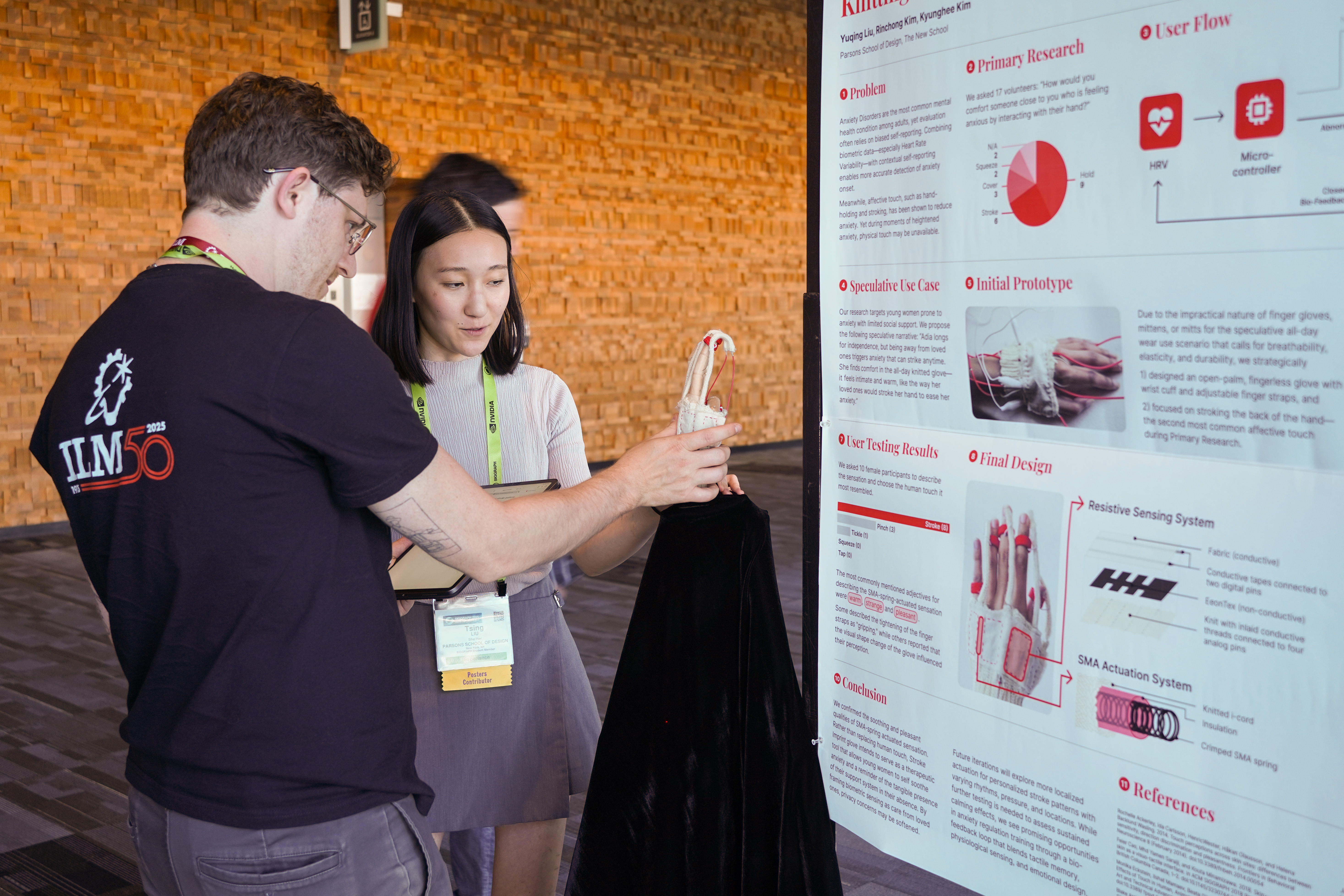
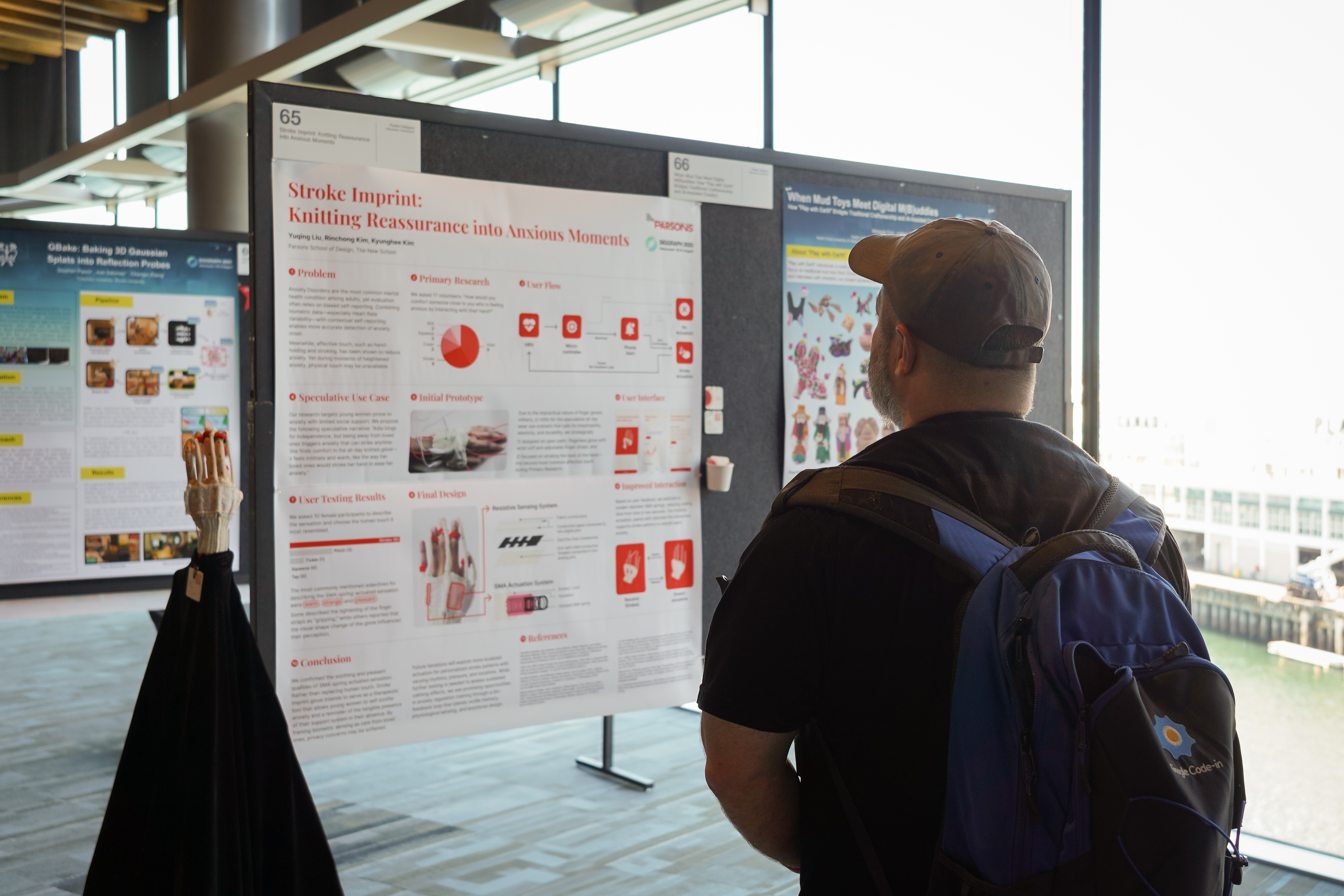
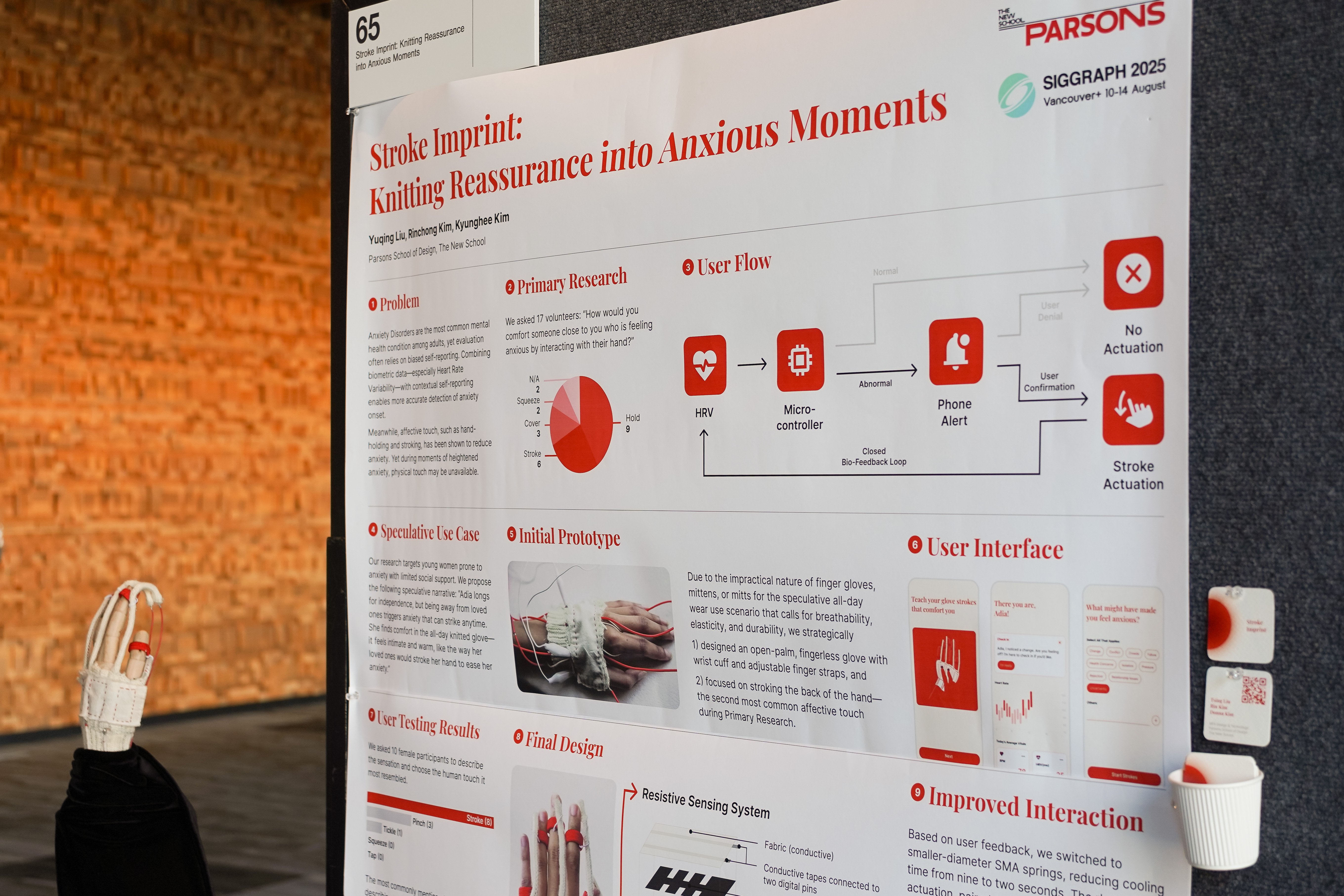
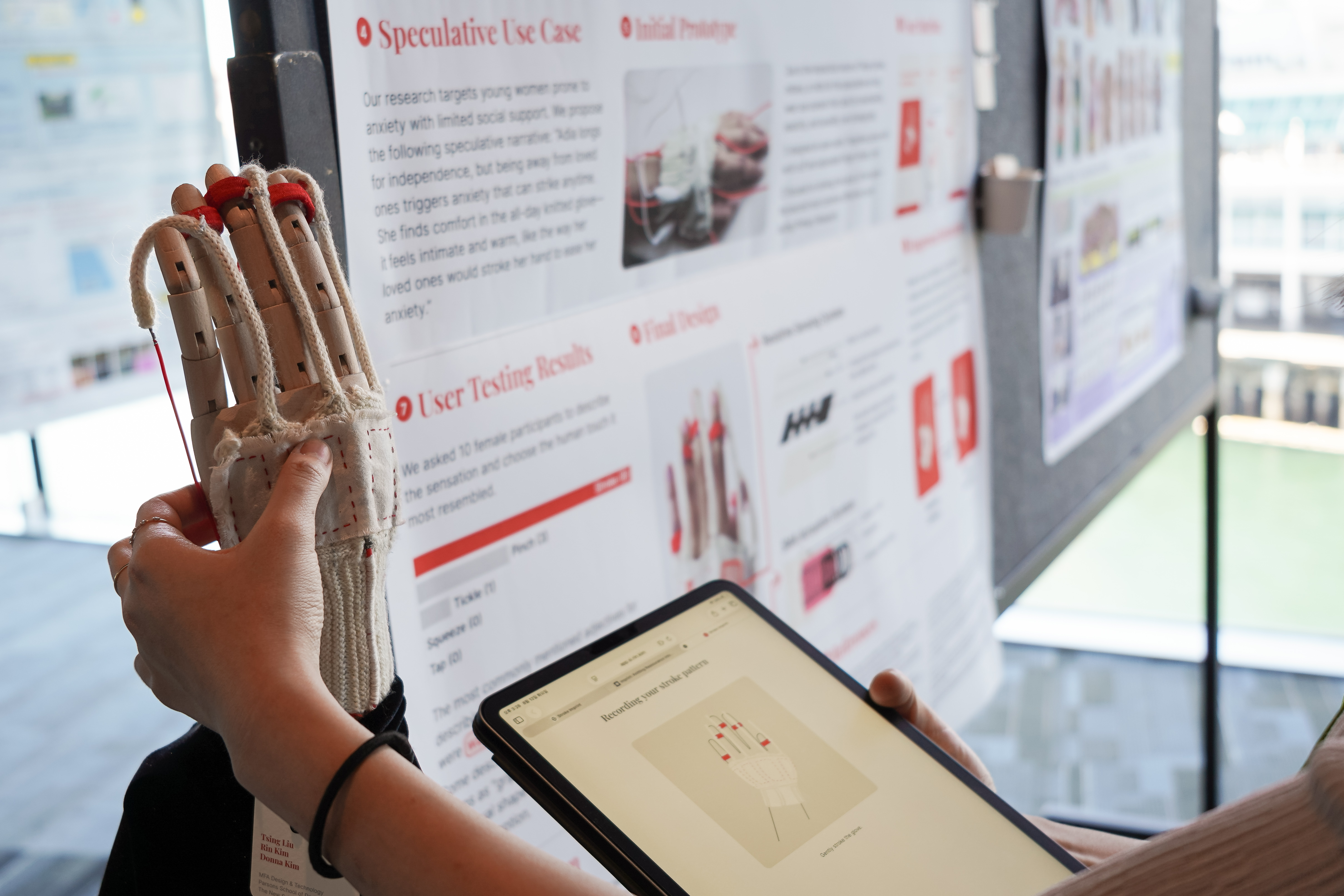
Breathability
Open palm
Fingerless
Elasticity
Knitted
Adjustable straps
Durability
Knitted
Final Design
Key Results
30
26
2.1k
User interactions
GoFundMe donations
Travel fund raised
Next Steps
Takeaway
This project reinforced that onboarding isn't just about collecting information—it's about earning enough trust for users to willingly share it. Given more time, I'd prototype a complete progressive onboarding system to validate whether distributing questions across the product improves completion, retention, and long-term engagement.
Special thanks to
Logan Williams for his expertise in human anatomy